01 Manisha Panchakam Context

01 Manisha Panchakam Context

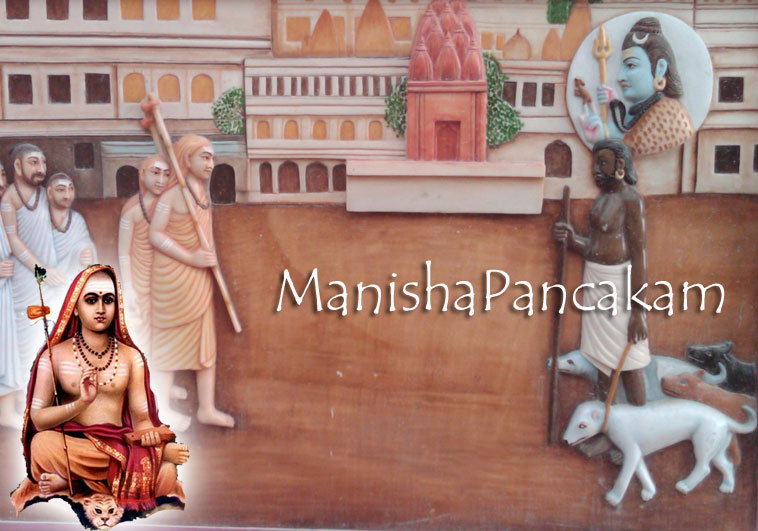
The Stranger, who was confronting Adi Sankara and his entourage in the narrow street of Varanasi, raises his questions when he was scornfully asked to get away from the path. His questions unearthed profound thoughts of Sankara in the form of Manisha Panchakam.

01 Introduction  Manisha Panchakam

01 Introduction Manisha Panchakam

Adi Sankara’s ‘Manisha Panchakam’ refers to the conclusive wisdom or determinate knowledge asserted in five verses. What is Sankara’s assertion as his determinate knowledge? What is such conclusive wisdom? An impactful encounter in Bhagavatpadal’s life, resulted in this wonderful revelation.

Nirvana Shatakam

Nirvana Shatakam

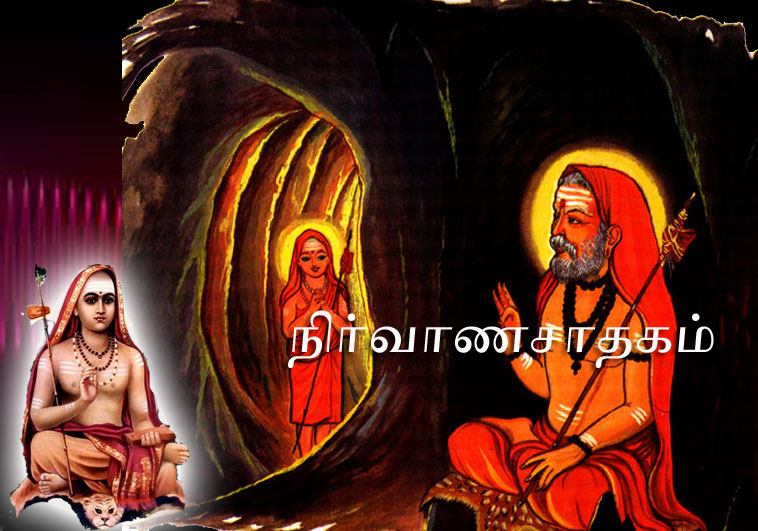
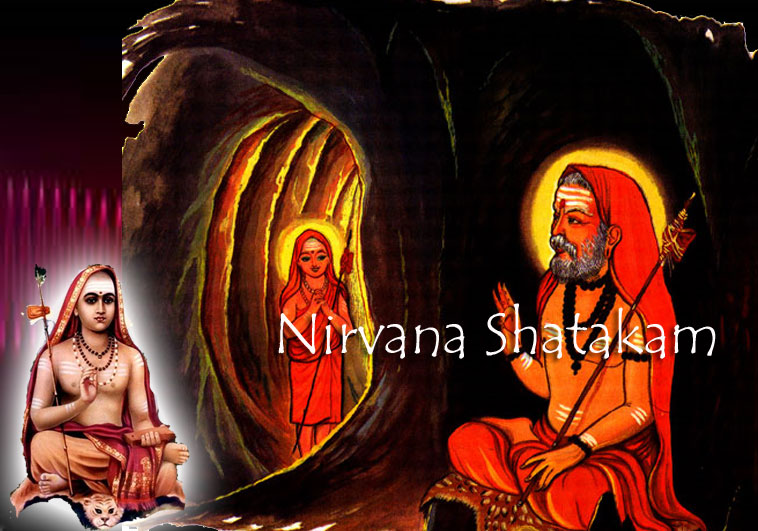
When Adi Sankara was a young child, he approached Guru Govindapaada for seeking guidance. When he was asked to introduce himself, the young Sankara offered in six verses the true nature of the Self.

03 Manisha Panchakam Verse 3

03 Manisha Panchakam Verse 3

Adi Sankara, after explaining the identification and the unification of Jeevaatman and Ishvara in the first two verses, gives the instruction on the method by which such superior wisdom can be obtained and upon achieving, the need for unwavering commitment to that wisdom and to realize the ultimate benefit in this third verse.

02 Manisha Panchakam – Verse 2

02 Manisha Panchakam – Verse 2

In this second verse, the Paramaatman is analyzed and as it represents everything in the worlds, the experiences of the world are taken as the subject of analysis. It starts with the assumption that worlds are created by Ishvara. Why is this assumption valid?

01 Manisha Panchakam Verse 1

01 Manisha Panchakam Verse 1

To understand the Self, the experiences of the Self are the most appropriate areas of study. In this verse, when analyzing the Jeevaatman, the human embodiment is viewed in terms of three bodies and the three experiences that these bodies are variably subjected to.
Every human-being variably suffers or endures three types of experiences of consciousness; the Upanisads define these experiences by the term ‘avasta’ and correlates these experiences to the different bodies.

Sri Rajarajeswari Mantra Mathrukastwam

Sri Rajarajeswari Mantra Mathrukastwam

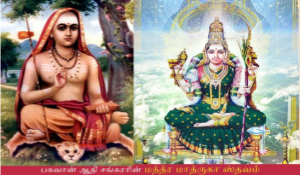
ஸ்ரீ ஆதிசங்கர பகவத்பாதாள் அருளிய, “பஞ்சதசாக்ஷரி” எனும் மந்திர அக்ஷரங்கள் ஒவ்வொன்றுடனும் தொடங்குகின்ற “மந்த்ரமாத்ருகா ஸ்தவம்” எனும் மந்திராக்ஷர மாலை.

Nirvana Shatakam (Tamil)

Nirvana Shatakam (Tamil)

எட்டு வயதான பாலகனாக இருந்த ஆதி சங்கரர், தமது நிச்சயித்த அறிவினால், ‘நீ யார்’ எனக் கேட்ட குரு கோவிந்த பாதருக்குப் பதிலாக அறிமுகம் செய்து கொண்ட நிர்வாண ஷாதகம் எனும் ஆதிசங்கரரின் முகவுரையே இதன் முடிவுரையாகத் தரப்பட்டுள்ளது

Manisha Panchakam – Verse 5 (Tamil)

Manisha Panchakam – Verse 5 (Tamil)

முதல் 2 ஸ்லோகங்களில் ஆத்மா நிலையானது (ஸத்) என்பதையும்,  அடுத்த 2 ஸ்லோகங்களிலும் ஆத்மா எங்கும் நிறைந்த அறிவு (சித்) எனவும் விளக்கிய ஜகத்குரு, இந்த ஸ்லோகத்தில் ஆத்மா முழு இன்ப வடிவம் (ஆனந்த ஸ்வரூபம் ) என விளக்குகின்றார்.

Manisha Panchakam – Verse 4 (Tamil)

Manisha Panchakam – Verse 4 (Tamil)

‘நான்’ எனும் உணர்வு மனிதருக்கு மட்டுமா? மற்ற உயிர்களுக்குமா? அப்படி நான் எனும் ஆய்வைச் செய்யும்போது, உடல், புலனறிவுகள், மனம் ஆகியவையும் அறிவுடன் விளங்குவதாகத் தெரிகிறதே? இந்த ஐயங்களை விளக்கும் 4ம் ஸ்லோகம்.